

Why Mental Strength is the Missing Piece in Nigerian Grassroots Football
Nigeria has won the FIFA Under-17 World Cup five times more than any other nation
on earth.
Ask yourself how many of those players you can name today
That is not a shame question, it is an honest one because the talent was real. The potential was undeniable. Something else broke down between the promise of youth and the reality of senior football. And that something is what Nigerian football has been quietly avoiding for decades.
The mental side of the game.
A 2025 study published in the Nigerian Journal of Human Movement, Wellness, Leisure and Sport found that Nigeria’s talent identification programmes at grassroots level were not structured to convert raw ability into professional performance, unlike those of Western football nations. Another study examining talent development at an English football academy found that psychological attributes were consistently central to whether a player reached their potential across their full development journey.
Nigeria does not have a talent problem, it has a development gap and the mental side
is where that gap is widest and most ignored.
The Problem Nobody Wants to Name
When Nigerians debate what is holding our football back, the conversation almost always lands on infrastructure, funding, and poor league structure. Those are real
problems but sitting underneath all of them is something that affects even the clubs doing everything else right.
Most grassroots players in Nigeria have never been taught how to manage their minds.
Not once, nobody has sat them down and talked honestly about what happens when
the stakes are real. When a scout is in the stands. When they make a costly mistake
with thirty minutes still to play and the game on the line. They are technically gifted
and mentally unprepared and that gap is exactly where careers end before they begin.
In countries with structured academy systems, players receive some form of sports
psychology exposure before they turn 18. In Nigerian grassroots football, that number is close to zero. We keep producing extraordinary raw talent and then sending it into high-pressure environments with no tools for what happens inside.
What Sports Psychology Actually Is
Let us be clear about something. Sports psychology is not motivational talk. It is not a quote chalked on the dressing room wall or a coach shouting believe in yourself before kickoff.
It is a structured, evidence-based discipline that trains athletes to perform at their best specifically when the pressure is highest

It is a structured, evidence-based discipline that trains athletes to perform at their best specifically when the pressure is highest.
The core areas it covers include focus and concentration, managing anxiety before and during competition, building confidence that does not collapse after one bad performance, recovering mentally from mistakes and setbacks, and developing self-awareness that helps a player understand their own patterns under pressure.
Research consistently shows that athletes who perceive pressure as a challenge rather than a threat make faster decisions, recover from mistakes more quickly, and perform more consistently across matches. The difference is not physical. It is entirely psychological.
Premier League academies have had sports psychologists embedded in their coaching teams since the early 2000s. Germany made mental performance training a core part of their youth development system before winning the 2014 World Cup. In Brazil, clubs like Flamengo work with mental performance coaches on players as young as 12. Nigeria is still debating whether the conversation is even necessary.
What It Looks Like in Practice
The good news is that mental training does not require expensive facilities or a specialist on staff. It requires intention and consistency.
Diaphragm breathing takes sixty seconds and immediately reduces the physical symptoms of anxiety. Breathing deeply into the stomach rather than the chest activates the body’s calm response and is used by elite athletes across football, tennis, and athletics before high-pressure moments. It is teachable in one session and improvable every single day.
Reframing shifts the internal language a player uses. The difference between telling yourself I have to perform today and I get to perform today is not just words. It is a genuine cognitive shift that moves the brain from perceiving threat to perceiving
opportunity. Research in sports psychology shows measurable performance improvements from this change in language alone.
Pressure inoculation deliberately introduces high-stakes scenarios into training so that players build familiarity with discomfort. When real pressure arrives, it feels known rather than overwhelming. The brain, having been there before, responds more calmly and more competently.
These are not complicated tools. They are simply tools that most Nigerian grassroots players have never been given.
The Players Who Prove It Works
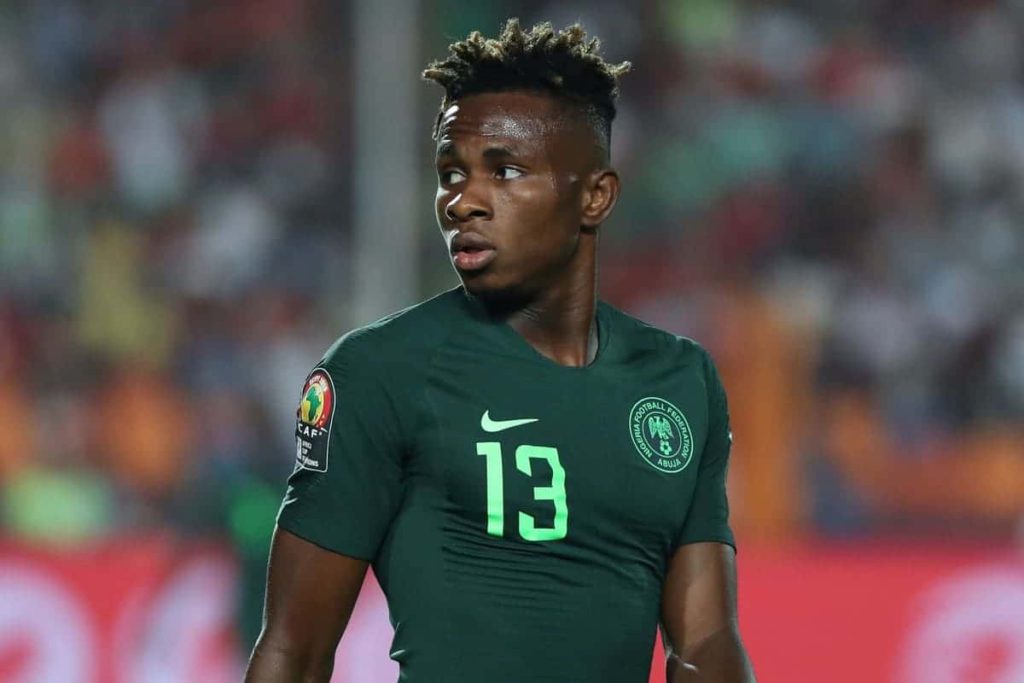
Samuel Chukwueze was not the fastest or most physically imposing player at any
level he came through.
What made him one of the most feared wingers in La Liga was his ability to deliver in the moments that counted most. Europa League knockouts, high-stakes derbies,
situations that expose every weakness in a player who is not mentally prepared. He
showed up consistently and hat is not just talent, that is a trained mind.
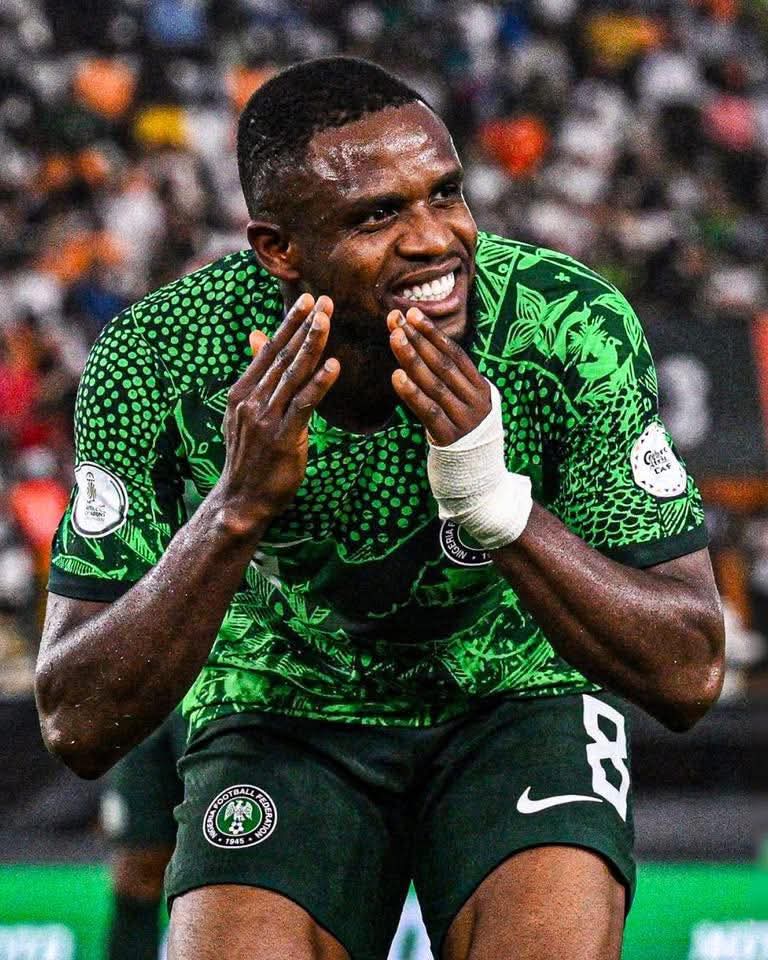
Frank Onyeka's journey from Benue State to the English Premier League is not a
straight line. It runs through rejection, loan spells, and moments where giving up
would have been the easier choice.
What kept him moving was the kind of mental resilience that most people never see
because it lives entirely inside the player.
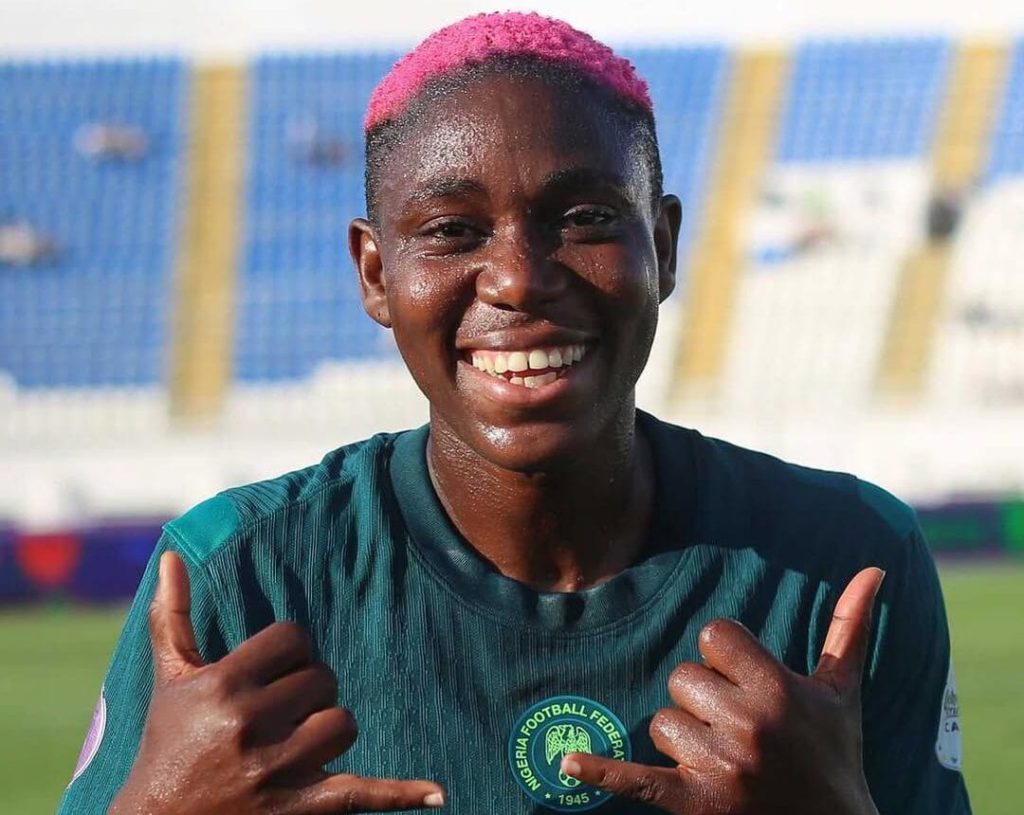
Asisat Oshoala has won African Women's Player of the Year multiple times across
more than a decade at the top of the game.
Sustaining that level of performance, staying motivated, and continuing to raise your standards year after year is a psychological achievement as much as a physical one.
These players are not exceptions. They are evidence of what becomes possible when
talent is paired with the right mental foundation.
What Needs to Change
Every grassroots club serious about development should include mental performance work in their weekly programme. It does not need to be a sports psychologist on the payroll. It can start with a coach willing to have real conversations about pressure, identity, failure, and focus. It can start with one session a month where players talk about their minds the way they talk about their bodies.
Families have a role too. The weight that Nigerian football families place on young players, however well intentioned, can become a psychological burden that quietly
crushes the very performance they are hoping for. Understanding how to support a young athlete mentally is as important as anything else a family does.
Scouts and talent developers need to evaluate mental resilience alongside technical ability. A 90-minute match shows you what a player can do. Their response to adversity over time shows you who they actually are.
Nigerian football does not have a talent problem. It has a development problem. And the clubs and coaches that start solving the mental side of that problem now will be the ones whose players make it, stay there, and thrive.
In February 2026, Easy Nter Global FC hosted a live mental edge session with Coach Juah Toe, a certified mental performance consultant based in the United States. The session was open to players, coaches, and sports enthusiasts, and what happened in that room was something many of them had never experienced before.
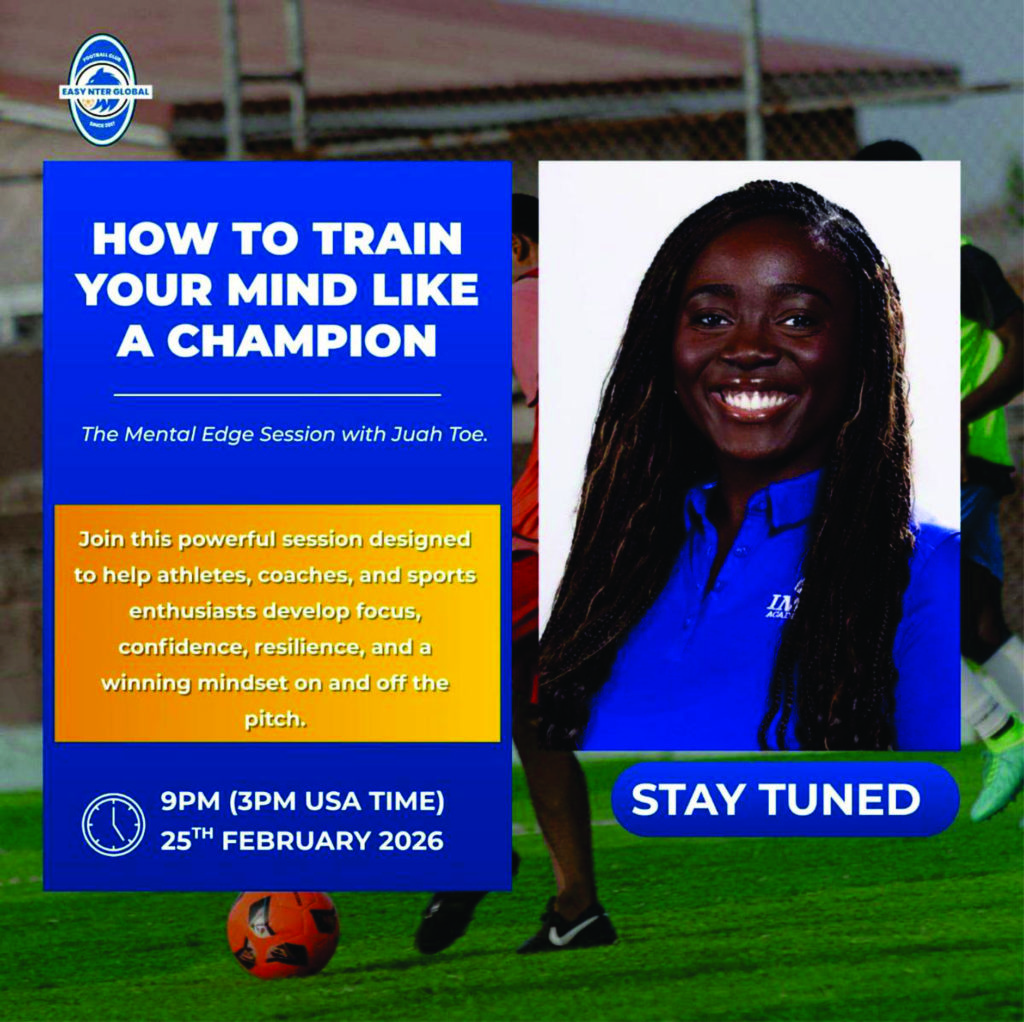
For the first time, players asked questions they had been carrying for years.
Questions about pressure, about fear, about what to do when their mind goes blank in
the biggest moments. Questions they had never felt safe enough to ask in a normal
training environment. Coach Juah met every single one of them with honesty, clarity,
and zero judgment.
But it was not just the players, coaches who have spent years on the touchline, giving
instructions, projecting confidence, asked questions too. Things that had bothered
them about their own performance and their ability to support their players mentally.
The room became something rare in Nigerian football: a genuinely open conversation about the inner game.
That is what mental performance work looks like when it is done right. Not a lecture,
not a motivational speech, but a space where people who love the game finally get to
talk about the part of it that nobody ever addresses.
The work continues. And it starts exactly here.