

Why Nigerian Grassroots Footballers Can't Afford to Ignore Social Media
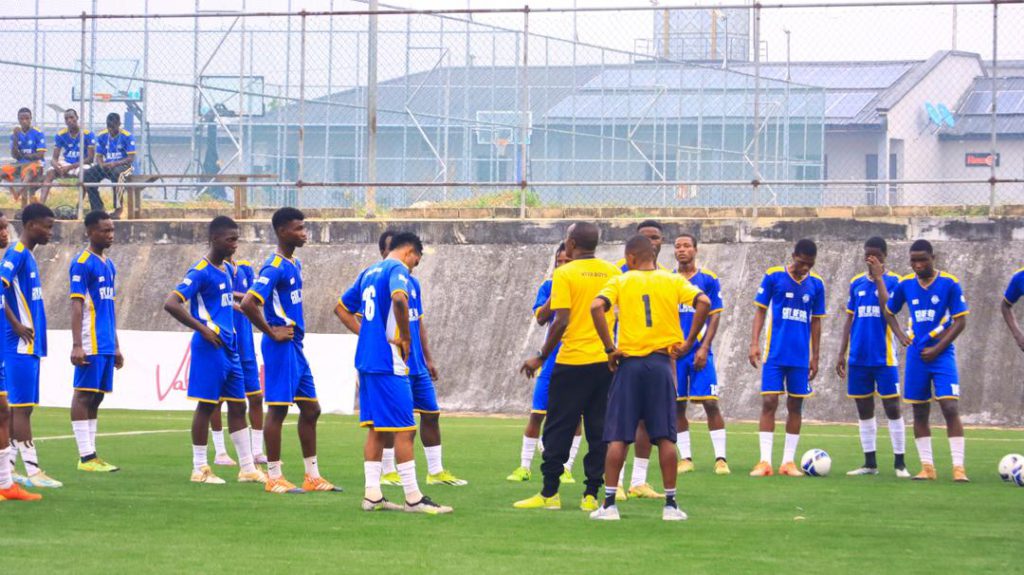
"If you're not online, you don't exist, not to the agents in Europe, not to the academies in Lagos, not to the brand managers looking for the next face of Nigerian sport."
Every weekend across Nigeria, thousands of young footballers lace up their boots on muddy pitches across Nigerian soil. They often dream with nothing but raw talent and relentless ambition. But talent, as the game increasingly shows us, is only part of the equation. In today’s football ecosystem, visibility is currency and social media is the exchange rate.
For the Nigerian grassroots footballer, social media is no longer a luxury or a distraction. It is a career infrastructure, as important as fitness, technique, and teamwork.
Here is why.
1. Scouts Are Watching the Internet, Not Just the Stands
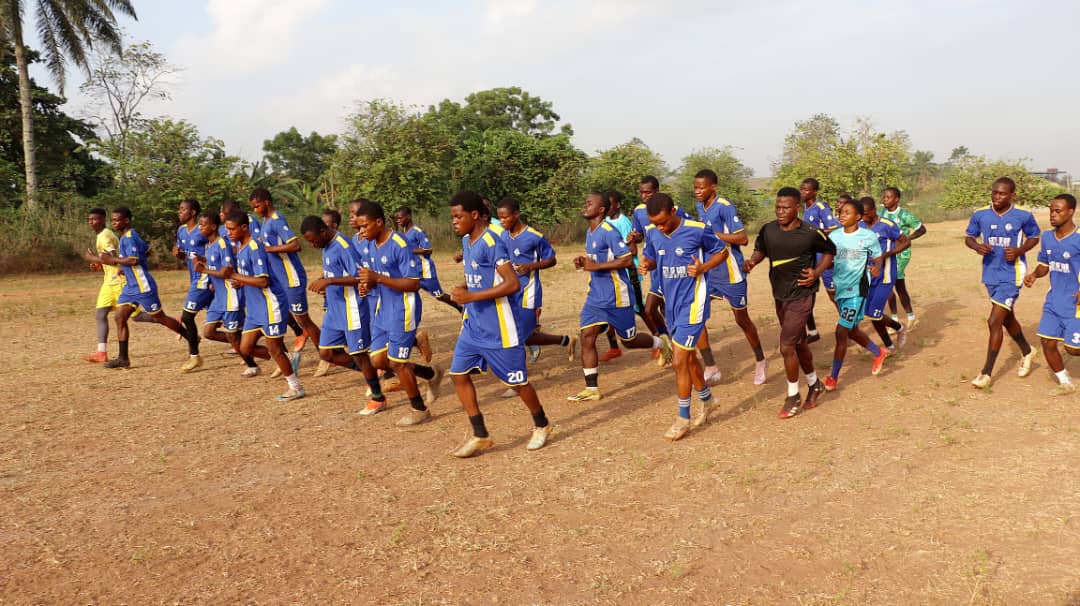
The days of a scout sitting in the crowd at every local league match are long gone. Modern recruitment has gone digital. Club scouts, agents, and football directors now use Instagram, X (formerly Twitter), and YouTube as first-pass discovery tools, especially when searching for talent in markets like Nigeria, where travel logistics and the sheer volume of players make in-person scouting impractical at scale.
Long before Napoli came calling, Victor Osimhen's story was being told on social media, his goals, his athleticism, his character under pressure. The same is true of Ademola Lookman and Cyriel Dessers. Their journeys from relative obscurity to top-flight European football were supported, in part, by digital visibility that created conversations in boardrooms and scouting departments across the continent.
For grassroots players, a well-maintained profile with consistent match highlights, training clips, and performance statistics can function as a living, breathing CV, one that is accessible 24/7 to anyone with an internet connection.
2. Social Media Builds the Brand Before the Contract
In modern football, the player is also a brand. The sooner a young Nigerian footballer internalises this, the more power they hold over their own career trajectory. A strong social media presence signals
professionalism, personality, and marketability, all things that clubs and sponsors look for beyond just what happens on the pitch.
Think about what a grassroots footballer's social media can communicate. It can show consistency, they post regularly, meaning they are disciplined. It can demonstrate values, they talk about their community, their faith and their journey.
It can reveal work ethic, they share training footage, injury recovery updates, and pre-match routines. These are all signals that translate directly into trust, and trust is what gets agents to return calls and sponsors to write cheques.
Players who wait until they are "big" to build their brand often find that brand-building is harder when you have no time and everyone already has an opinion about you. Starting at the grassroots level means building authentic equity from the ground up, a foundation that will serve you for decades.
3. Community and Local Support Translate to Opportunity
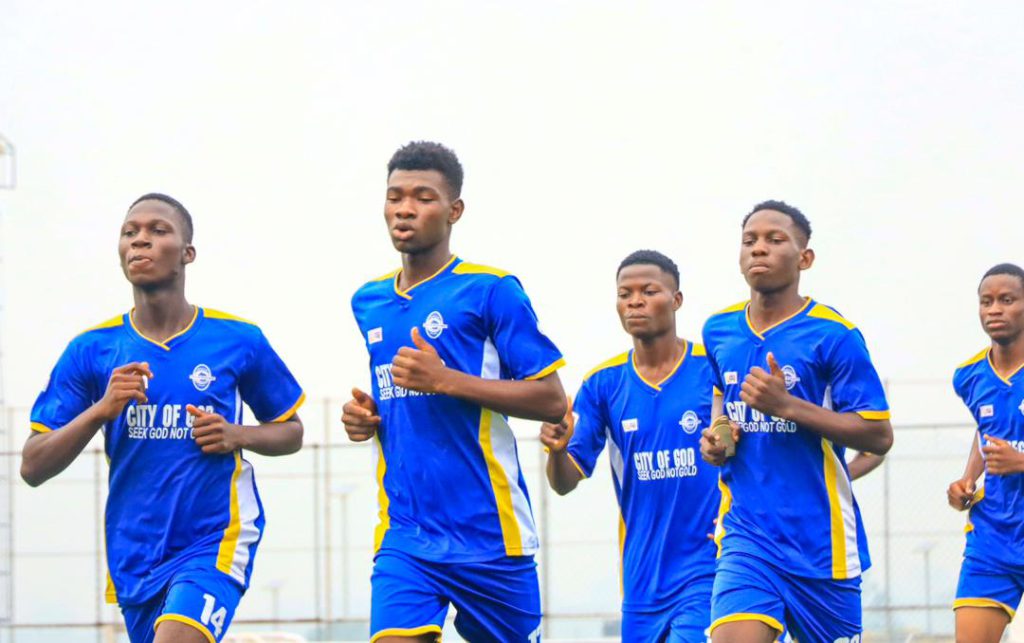
Nigerian football has always been powered by community. The roaring support at a Stationery Stores match in Lagos, the passionate local fans who turn out every Sunday in Ibadan shows that community energy is the lifeblood of the grassroots game. Social media amplifies that energy infinitely.
When a player documents their journey online, sharing their highs, their struggles and their milestones, they create a community around their story. That community becomes leverage. Local businesses sponsor players with followings. Community funds are raised for talented players who cannot afford academy fees. Petitions go viral for deserving players overlooked by selectors. These things happen and social media is the mechanism.
Beyond the immediate community, diaspora Nigerians, many of whom are deeply invested in the fortunes of the next generation of Nigerian football, are active on social media and looking for stories to rally behind. A compelling grassroots footballer with a presence online can find themselves with supporters in London, Houston, and Lagos simultaneously.
4. Mental Strength Has a Public Dimension
The mental side of football, resilience, confidence, focus, is increasingly discussed at the highest levels of the game. But mental strength is not just something you develop in private. It has a public dimension, and social media is where that dimension plays out.
How a player handles a bad game on social media tells coaches and selectors everything about their mental constitution. Do they disappear? Do they post excuses? Or do they show up, reflect honestly, and come back with energy? How a player celebrates a goal, with grace and acknowledgement of teammates or with ego and arrogance, is observed.
Social media, used well, allows Nigerian grassroots footballers to demonstrate the mental qualities that separate good players from great ones: accountability, positivity, leadership, and resilience.
These are qualities that clubs invest in, and social media is where they are often first assessed.
5. It Levels the Playing Field
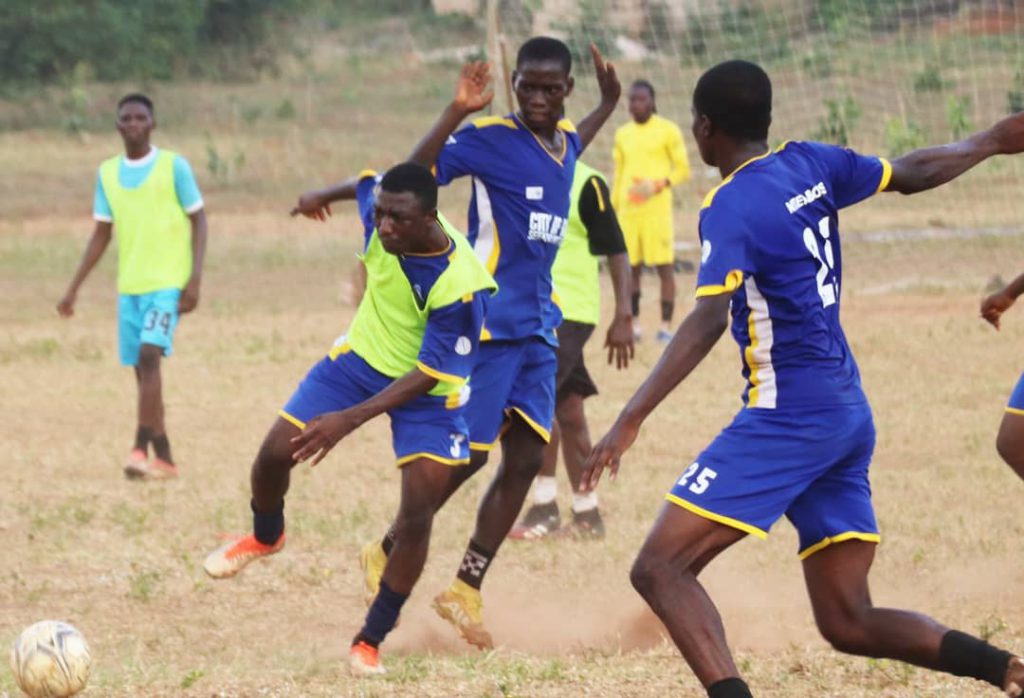
Nigeria is a country of enormous talent and enormous inequality. Access to quality academies, good pitches, professional coaching, and exposure to higher levels of the game is not evenly distributed. A player in Ondo State does not have the same structural advantages as one training at a well-resourced Lagos academy. But both of them have access to a smartphone and the internet.
Social media is the most democratic tool available to the Nigerian grassroots footballer. It costs nothing to post a highlight reel. It costs nothing to tag an agent, a club page, or a football journalist. It costs nothing to engage authentically with a community that may open doors that geography and circumstance otherwise would have kept shut.
Some of Nigeria's most exciting young footballers in recent years were discovered not through formal pathways but through viral moments, a goal that got retweeted, a skill video that went everywhere, a profile that a scout shared in a WhatsApp group. The pipeline from the grassroots pitch to the professional stage runs increasingly through the phone in your pocket.
6. The Risk of Staying Silent
There is a cost to not being online, and Nigerian footballers need to understand it clearly. While you are training hard and playing well with no digital footprint, other players, perhaps with less talent, are being seen, talked about, and considered for opportunities simply because they showed up consistently online.
Clubs and agents operate on limited bandwidth. They gravitate toward what they can see and verify. If your only evidence of quality is word of mouth, you are competing in a crowded and slow-moving system.
If you have documented proof of your ability, character, and progress on a public platform, you become findable, shareable, and memorable.
"The grassroots player who ignores social media is not staying humble. They are staying invisible."
Start Where You Are
You do not need expensive equipment, a videographer, or thousands of followers to begin. You need a phone, a clear intention, and the discipline to show up online the same way you show up on the pitch, consistently and with effort.
- Post your training clips.
- Share your match-day preparations.
- Tell your story, where you are from, what drives you, what you are working toward.
- Tag your club, your coaches, the competitions you play in.
- Engage with the football community around you.
Do this week after week, and over time, you will build something that no scout can ignore and no setback can take away: a visible, authentic, compelling presence in Nigerian football.
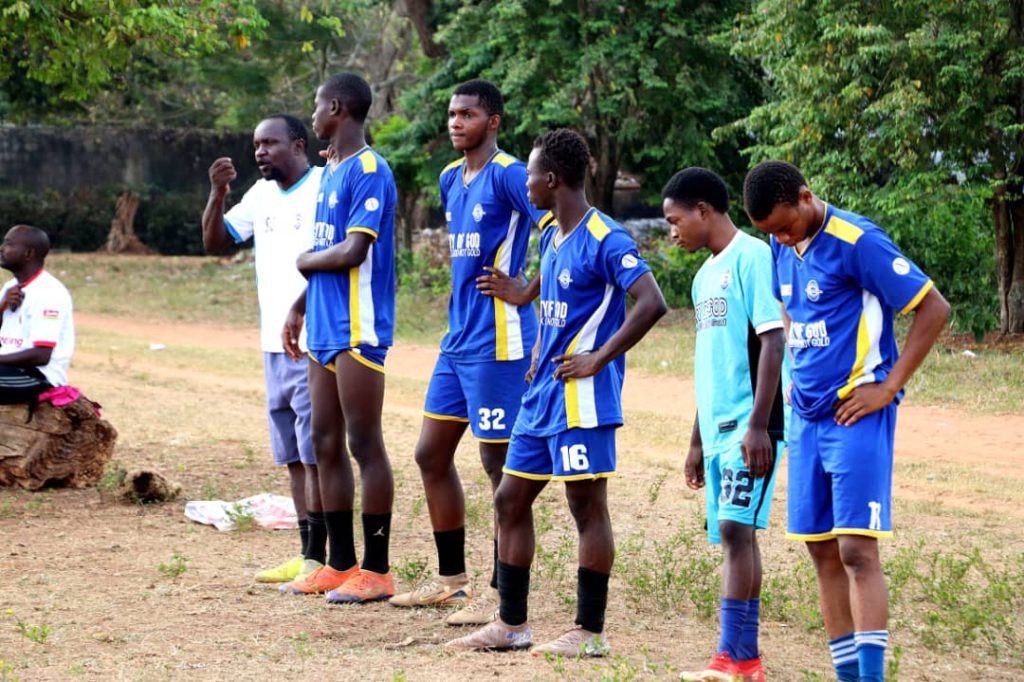
Easy Nter Global FC
Building Nigerian football from the ground up, on the pitch and online.